ナイトワークで目指せ高収入ランキング
| おさわりパブ曙町店 | |||
 |
|||
| 業種 | おさわりパブ | 給与 | 基本時給:6500円~11000円 |
| 営業時間 | 12:00~ラスト | 勤務地 | 曙町 |
| 応募資格 | 18歳以上~40代位の方まで | 最寄の駅 | 京急「黄金町」 |
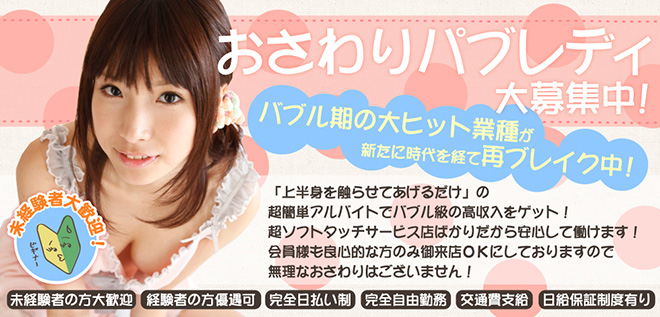
| 胸を見せたり・触らせたりする以外のサービス内容は一切ございません! | |||
|
凄く簡単でただ胸を触られるだけでOKですので凄く楽なお仕事ですよ! お話が苦手な方でも大丈夫です! 胸の大きさや形は関係ありませんので小さい方でも気にせず働けます。 基本的はお話は殆どないですし、お酒は飲まなくて良いので見せて触らせるだけで高収入が稼げます! 昼から営業中ですので主婦の方もこっそりとパートアルバイト感覚で働けます! 最近は主婦のコンパニオン様も多く働かれています。 触らせるだけの簡単アルバイトでかなりの高時給が稼げるので人気のアルバイトでもありますのでお早めのご応募をして頂ければと思います。 |
|||
| 未経験の方 経験者の方 初めて高収入バイトされる方 短期で稼ぎたい方 長期で稼ぎたい方 楽しく稼ぎたい方 自由に稼ぎたい方 短時間で稼ぎたい方 | |||
| 完全自由勤務 当日から勤務可 1時間から勤務可 寮完備 オープニングスタッフ募集中 新人特典多数有り 当日全額支給 送迎有り 制服貸与 ノルマ罰金一切無し 短期可 1日体験OK アリバイ対策万全 給与交渉可 指名料100%バック マイカー通勤可 託児所完備 バンスOK カケモチOK 完全秘密制 顧客モニター管理 待機カット無し 個人情報保護 素人専門店 完全顔出しNG可 知人バレ無し 完全会員制 会員リスト完備 お仕事前の会員確認可 その他高待遇 | |||
| 関西版はコチラ関東版はコチラ | |||
| マジックミラーハウス十三店 | |||
 |
|||
| 業種 | マジックミラーハウス | 給与 | 基本時給:5500円~9500円 |
| 営業時間 | 10:00~ラスト | 勤務地 | 十三 |
| 応募資格 | 18歳以上~40代位の方まで | 最寄の駅 | 阪急「十三」 |
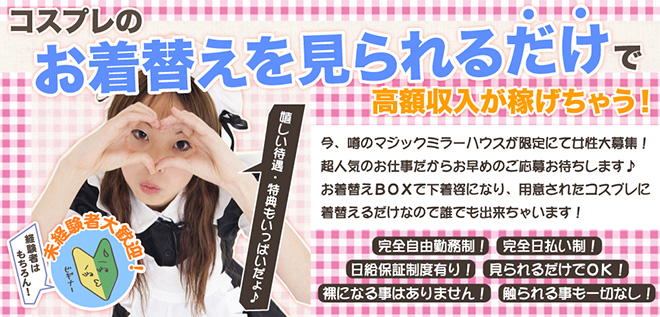
| 服を脱いで下着姿になるだけでOK! | |||
|
最近では自分の姿を見られずに目の前の女性がやらしい格好やポーズをするのを見るのが楽しみな鑑賞フェチが増えておりこのフェチズムを利用したお仕事がこのマジックミラーハウスです。 見られる前にちゃんと会員様がどんな人かを確認してから働けますので知り合い知られる事は無く、見せるだけで高収入が稼げます。 下着姿を見せるだけでOKなので楽ですし、絶対に触られたりしませんので安心です。 顔出しNGの方は仮面マスクを着用が可能です。 かなり美味しい副業アルバイトです。 |
|||
| 未経験の方 経験者の方 初めて高収入バイトされる方 短期で稼ぎたい方 長期で稼ぎたい方 楽しく稼ぎたい方 自由に稼ぎたい方 | |||
| 完全自由勤務 当日から勤務可 1時間から勤務可 給与交渉可 寮完備 オープニングスタッフ募集中 新人特典多数有り 当日全額支給 送迎有り 制服貸与 ノルマ罰金一切無し 短期可 1日体験OK アリバイ対策万全 指名料100%バック マイカー通勤可 託児所完備 バンスOK カケモチOK 在宅待機OK 個室待機OK 完全秘密制 顧客モニター管理 待機カット無し 個人情報保護 素人専門店 完全顔出しNG可 知人バレ無し 完全会員制 会員リスト完備 お仕事前の会員確認可 その他高待遇 | |||
| 関西版はコチラ関東版はコチラ | |||
| アナウンスレディ | |||
 |
|||
| 業種 | アナウンスレディ | 給与 | 基本時給:7000円~15000円 |
| 営業時間 | 11:00~ラスト | 勤務地 | 難波 |
| 応募資格 | 18歳以上~40代位の方まで | 最寄の駅 | 各線「難波」 |
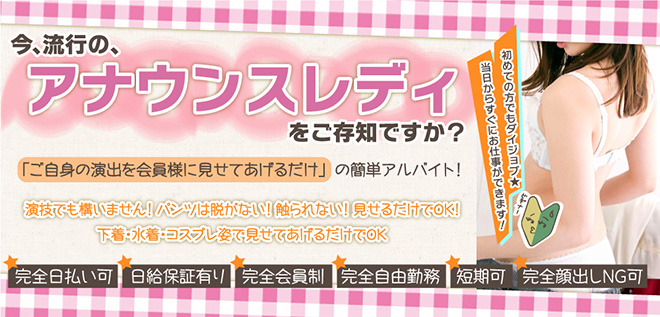
| 下着姿・セクシーポーズ・愛撫演出を見せてあげるだけの簡単なお仕事です!!! | |||
|
初めまして、アナウンスレディのお仕事紹介の求人担当をしている成田と申します。 このアナウンスレディのお仕事はご自身の演出をしている場面を会員様に見て頂くだけの凄く簡単なお仕事になりますので初めての方でも気軽にお仕事をして頂けます。 実際に私も働きながら求人担当をさせて頂いているのですがオナニー好きな女性にはオススメのお仕事です。 私はかなり好きなので見てもらいながら演出をすると凄く興奮してオーガニズムが凄く高まります。 ですので1人Hが好きな方にはオススメしております。 |
|||
| 未経験の方 経験者の方 初めて高収入バイトされる方 短期で稼ぎたい方 長期で稼ぎたい方 自由に稼ぎたい方 楽しく稼ぎたい方 短時間で稼ぎたい方 | |||
| 完全自由勤務 当日から勤務可 1時間から勤務可 給与交渉可 寮完備 オープニングスタッフ募集中 新人特典多数有り 当日全額支給 送迎有り 制服貸与 ノルマ罰金一切無し 短期可 1日体験OK アリバイ対策万全 指名料100%バック マイカー通勤可 託児所完備 バンスOK カケモチOK 在宅待機OK 個室待機OK 完全秘密制 顧客リスト管理 個人情報保護 素人専門店 完全顔出しNG可 知人バレ無し 完全会員制 会員リスト完備 お仕事前の会員確認可 顧客モニター管理 その他高待遇 | |||
| 関西版はコチラ関東版はコチラ | |||
| メイド喫茶 | |||
 |
|||
| 業種 | メイド喫茶 | 給与 | 基本時給:1450円~3500円 |
| 営業時間 | 10:00~23:30 | 勤務地 | 北新地 |
| 応募資格 | 18歳以上~40代位の方まで | 最寄の駅 | JR「北新地」 |
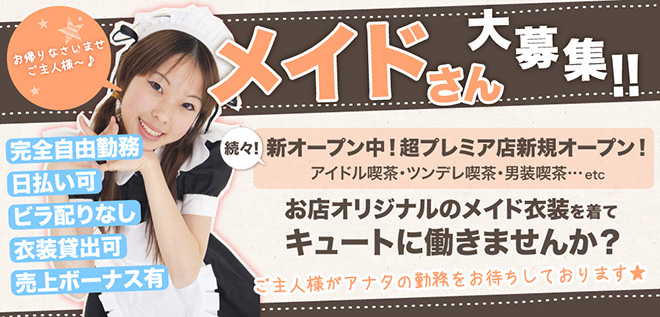
| メイド喫茶を続々オープン中!(※イベント参加不可能な方は参加しなくても大丈夫!) | |||
|
初めましてメイド喫茶の求人担当をしている大島です。ヨロシク★。、::。.::・’゚デス☆ 私も4年ほどメイド喫茶のお仕事をさせて頂いておりましたが、年齢がアラサーになりましたので去年から求人担当をさせて頂いております.:。+゜。 メイド喫茶のお仕事に興味のある方は是非一度ご相談して頂ければと思います。*゚*☆ 意外にも長きブームメントで流行りのアルバイトがメイド喫茶です。.:。+゜。 今は色々なメイド喫茶が続々とオープンしておりますので登録時にどんなメイド喫茶があるかご相談して頂ければ、当グループ運営の各メイド喫茶の求人募集情報をみる事ができます。.:。+゜。 |
|||
| 未経験の方 経験者の方 初めて高収入バイトされる方 短期で稼ぎたい方 長期で稼ぎたい方 メイドに興味のある方 コスプレが好きな方 | |||
| 完全自由勤務 当日から勤務可 1時間から勤務可 給与交渉可 寮完備 オープニング募集中 新人特典多数有り 当日全額支給 送迎有り 制服貸与 ノルマ罰金一切無し 短期可 1日体験OK ビラ配布無し アリバイ対策万全 託児所完備 完全秘密制 個人情報保護 その他高待遇 | |||
| 関西版はコチラ関東版はコチラ | |||
| ビデオモデル | |||
 |
|||
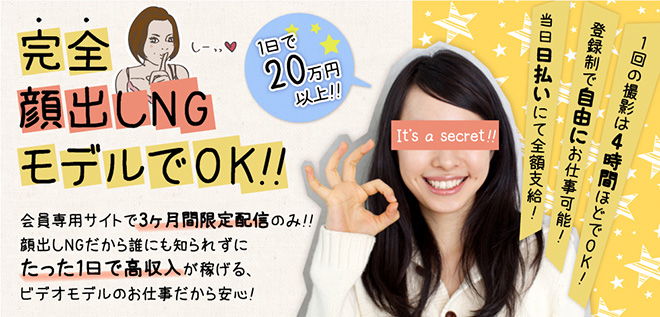
| 業種 | ビデオモデル | 給与 | 基本給:25万円~200万円 |
| 営業時間 | 10:00~23:00 | 勤務地 | 渋谷 |
| 応募資格 | 18歳以上~40代位の方まで | 最寄の駅 | 各線「渋谷」 |
| 顔出しもNGで大丈夫!貴方の出来る範囲のお仕事内容で~☆ | |||
|
こんにちわ☆私はビデオモデルの求人を担当しています、杉浦と申します+。:.゜ヨロピコーヽ(´∀`)ノ .:。+゜。 私も現役のビデオモデルとしてお仕事をさせて頂いておりますがこの度、経験を行かして会社グループの求人担当をさせて頂く事になりましたヽ(´・ω・`*) 初めてビデオモデルのお仕事をさせれる方は凄く緊張をすると思いますので経験者の私が色々とお話しをさせて頂いてお仕事をする・しないを決めて頂ければと思います(*´ω`)っ 凄く簡単で1日で何十万円も稼げる副業アルバイトですのでオススメです(*>∇<) |
|||
| 業界未経験の方 経験者の方 初めて高収入バイトされる方 短期で稼ぎたい方 長期で稼ぎたい方 モデルに興味のある方 タレントを目指している方 短時間で何十万円を稼ぎたい方 | |||
| 完全自由勤務 当日から勤務可 1時間から勤務可 給与交渉可 新人特典多数有り 当日全額支給 送迎有り 制服貸与 短期可 1日体験OK アリバイ対策万全 専属マネージャー可 マスコミ手当て有り 託児所完備 バンスOK カケモチOK 在宅待機OK 完全秘密制 寮完備 個人情報保護 素人専門 完全顔出しNG可 知人バレ無し 会員制サイトのみ その他高待遇 | |||
| 関西版はコチラ関東版はコチラ | |||
| 性感エステマッサージ谷九店 | |||
 |
|||
| 業種 | 性感エステマッサージ | 給与 | 基本時給:8500円~18000円 |
| 営業時間 | 10:00~翌朝5:00 | 勤務地 | 谷町九丁目 |
| 応募資格 | 18歳以上~40代位の方まで | 最寄の駅 | 地下鉄「谷町九丁目」 |
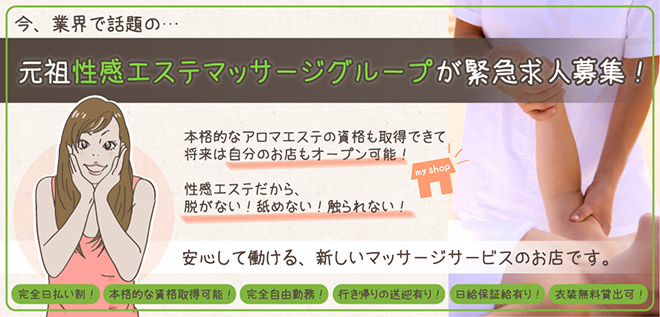
| アロマオイルとローションを使用してリンパマッサージ、エステマッサージをしてあげるお仕事です! | |||
|
性感エステマッサージの面接担当をさせて頂いております、新崎と申します。 この性感エステではお仕事をしながら本格的なエステマッサージの資格が無料で取得が出来ますし数々のリンパマッサージの知識と技術も一緒に取得が出来る凄く人気でおすすめ出来るお仕事になります。 以前までは私も性感エステマッサージのお仕事をエステシャンとしてお仕事をさせて頂いておりましたので本当に良いお仕事しておすすめをさせて頂きます。 男女の会員様がご利用になれるお店になりますので安心ですし楽しくお仕事をして頂くことが出来ます。 未経験の方でも当日から気軽に楽しみながらお仕事が出来ますし経験者の方ならお給料を少し多くからのスタートも可能ですので是非ともご応募をして頂ければと思います。 |
|||
| 未経験の方 経験者の方 初めて高収入バイトされる方 短期で稼ぎたい方 長期で稼ぎたい方 エステの資格を取得したい方 すぐに稼ぎたい方 | |||
| 完全自由勤務 当日から勤務可 1時間から勤務可 給与交渉可 寮完備 オープニングスタッフ募集中 新人特典多数有り 当日全額支給 送迎有り 制服貸与 ノルマ罰金一切無し 短期可 1日体験OK アリバイ対策万全 指名料100%バック マイカー通勤可 託児所完備 バンスOK カケモチOK 完全秘密制 個人情報保護 自由出勤制 素人専門店 知人バレ無し 完全会員制 会員リスト完備 その他高待遇 | |||
| 関西版はコチラ関東版はコチラ | |||
| 合コンコンパニオン | |||
 |
|||
| 業種 | 合コンコンパニオン | 給与 | 基本時給:3500円~5500円 |
| 営業時間 | 10:00~24:00 | 勤務地 | 天王寺 |
| 応募資格 | 18歳以上~40代位の方まで | 最寄の駅 | 各線「天王寺」 |
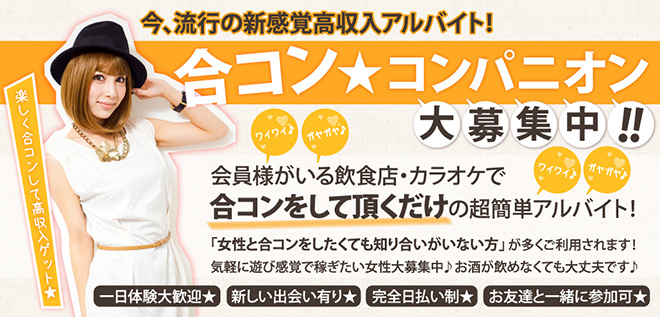
| 出会いを求めている会員様と合コン・街コン・ネルトンパーティー・お見合パーティーをして頂くだけ! | |||
|
初めまして、合コンコンパニオンの求人担当をしている木崎と申します。 皆さんは男性と出会う為にお見合パーティーや合コンや街コンに参加してお金を払って出会いを探されていますか? もしするならこれからはお金をもらって出会いを探してみては如何でしょうか! 実は殆どのお見合パーティーや街コンと言われるお金が発生しているものは、登録して派遣されている女性が殆どになります。 私も以前までは登録して色々なパーティーや合コン・街コンまで参加して、その時に知り合った男性と最近結婚をいたしました。 そこでコンパニオンのお仕事を卒業して今は求人担当として再出発をさせて頂いております。 ですので出会いを求めいている女性の方は是非登録をして頂いて稼ぎながら新しい出会いを見つけてみては如何でしょうか! |
|||
| 未経験の方 経験者の方 初めて高収入バイトされる方 短期で稼ぎたい方 長期で稼ぎたい方 合コンが好きな方 楽して稼ぎたい方 街コンに興味のある方 お見合いに興味のある方 | |||
| 完全自由勤務 当日から勤務可 1時間から勤務可 給与交渉可 寮完備 新人特典多数有り 当日全額支給 送迎有り ノルマ罰金一切無し 短期可 1日体験OK アリバイ対策万全 指名料100%バック 託児所完備 カケモチOK 在宅待機OK 完全秘密制 顧客リスト管理 個人情報保護 知人バレ無し 完全会員制 会員リスト完備 その他高待遇 | |||
| 関西版はコチラ関東版はコチラ | |||
| のぞき部屋原宿店 | |||
 |
|||
| 業種 | のぞき部屋 | 給与 | 基本時給:4500円~25000円 |
| 営業時間 | 24時間営業中◎ | 勤務地 | 原宿 |
| 応募資格 | 18歳以上~40代位の方まで | 最寄の駅 | JR「原宿」、東京メトロ「原宿」 |
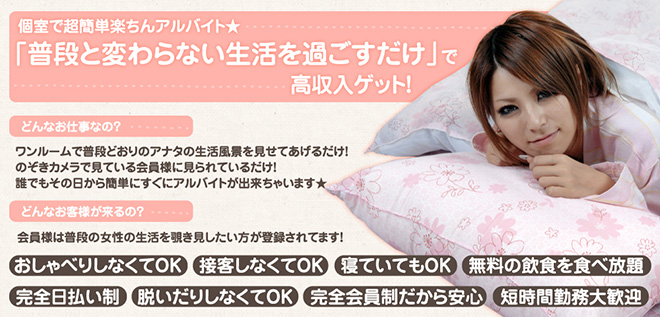
| いつもどおりの生活をして頂くだけのアルバイトなので本当に楽に稼げます♪ | |||
|
はじめまして、のぞき部屋の求人担当をしています、新垣と申します。 この度はお忙しい中、私が担当する求人情報を目を通して頂いてありがとうございます。 では早速ですが私がオススメをするのぞき部屋をご紹介させて頂きたいと思います。 上記にございましたように専用ルームにていつもどおりの生活をして頂いているだけの凄く簡単なお仕事になります。 |
|||
| 業界未経験の方 経験者の方 初めて高収入バイトされる方 短期で稼ぎたい方 長期で稼ぎたい方 在宅ワーク希望の方 楽して稼ぎたい方 | |||
| 完全自由勤務 当日から勤務可 通勤の場合は当日全額給与支給 1時間から勤務可 給与交渉可 新人特典多数有り 日払制度有り ノルマ罰金一切無し 短期可 1日体験OK 交通費支給 アリバイ対策万全 個室完備 託児所完備 寮完備 カケモチOK 在宅勤務OK 通勤勤務OK 完全秘密制 顧客リスト管理 個人情報保護 完全会員制 知人バレ無し 完全顔出しNG可 素人専門 その他高待遇 | |||
| 関西版はコチラ関東版はコチラ | |||
| 回春エステマッサージ | |||
 |
|||
| 業種 | 回春エステマッサージ | 給与 | 基本時給:8500円~13000円 |
| 営業時間 | 10:00~ラスト | 勤務地 | 池袋 |
| 応募資格 | 18歳以上~40代位の方まで | 最寄の駅 | 各線「池袋」 |
| ハンドサービスでOK!服を脱いだり・触られたりする事はありません! | |||
|
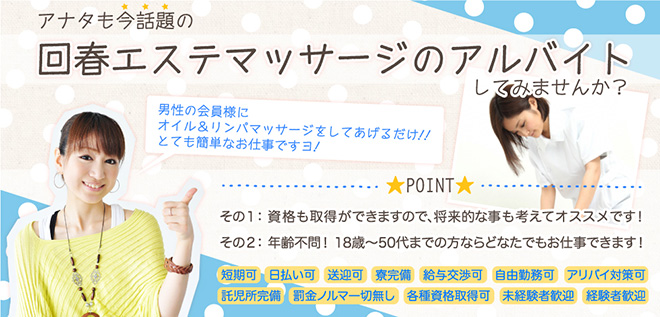
初めまして、回春エステマッサージの求人担当をしております、宮本と申します。 私はグループの回春エステがオープン時から一緒に企画から店舗の運営までしてきておりますので確実に自信を持ってご紹介できる求人になります。 誰でも簡単に当日から働けますし会員様が納得の行くサービス提供ですので暇になる事もありませんので確実に稼げます! 稼げないアルバイトではありませんので本当に手軽に稼ぎたい方は是非一度ご相談をして下さい! |
|||
| 未経験の方 経験者の方 初めて高収入バイトされる方 短期で稼ぎたい方 長期で稼ぎたい方 自由に稼ぎたい方 楽しく稼ぎたい方 短時間で稼ぎたい方 資格取得したい方 | |||
| 完全自由勤務 当日から勤務可 1時間から勤務可 給与交渉可 寮完備 オープニングスタッフ募集中 新人特典多数有り 当日全額支給 検定資格取得可 独立支援システム有り 送迎有り 制服貸与 ノルマ罰金一切無し 短期可 1日体験OK アリバイ対策万全 指名料100%バック マイカー通勤可 託児所完備 バンスOK カケモチOK 在宅待機OK 個室待機OK 完全秘密制 顧客リスト管理 個人情報保護 素人専門店 完全顔出しNG可 知人バレ無し 完全会員制 会員リスト完備 顧客モニター管理 お仕事前の会員確認可 その他高待遇 | |||
| 関西版はコチラ関東版はコチラ | |||
| 派遣コンパニオン新宿店 | |||
 |
|||
| 業種 | 派遣コンパニオン | 給与 | 基本時給:3200円~9500円 |
| 営業時間 | 15:00~ラスト | 勤務地 | 新宿 |
| 応募資格 | 18歳以上~40代位の方まで | 最寄の駅 | 各線「新宿」 |
| アシスタントコンパニオンとして働くお仕事ですので気軽に体験入店を楽しめるよ! | |||
|
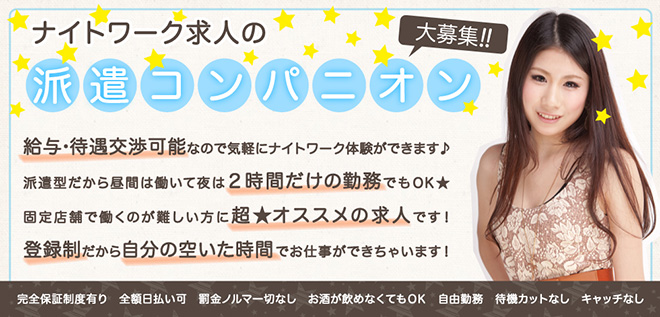
初めまして、派遣コンパニオンの求人を担当しております、筒井と申します。 ナイトクラブのサブコンパニオンのお仕事ですので登録して貴女が空いている時間をスケジュールを組んでお仕事の調整をいたしますので無理な時間で働かなくても大丈夫です。 各グループごとに専属のマネージャーがいますので担当マネージャーにスケジュールを送って頂ければ、その日程でお仕事の調整をしますので当日時間が空いた時でもその時簡単でお仕事の調整を出来ますので短時間で当日でも気軽にお仕事をして頂けます。 |
|||
| 未経験の方 経験者の方 初めて高収入バイトされる方 短期で稼ぎたい方 長期で稼ぎたい方 ナイトワークに興味のある方 自由に働きたい方 | |||
| 完全自由勤務 当日から勤務可 1時間から勤務可 給与交渉可 寮完備 お酒が飲めなくてもOK 当日全額支給 送迎有り 制服貸与 ノルマ罰金一切無し 短期可 1日体験OK 寮完備 ビラ配布無し キャッチ無し アリバイ対策万全 専属マネージャー可 マイカー通勤可 託児所完備 バンスOK カケモチOK 完全秘密制 個人情報保護 知人バレ無し 完全会員制 会員リスト完備 その他高待遇 | |||
| 関西版はコチラ関東版はコチラ | |||
稼げる高収入
現在の日本は、決して景気が良いとは言えません。それはおそらく、この日本で暮らしているみなさんが、一番わかっていることではないでしょうか。政治家たちによる会見などを見ていると、景気は上向き傾向にあると言われています。しかし、実際には職がなかなか見つからず生活に困る人も多く、職に就いても低賃金に悩む人も一向に減ってはいません。こんな現在の日本においては、一般的な生活を維持していくだけでも大変です。
もしもそんな中で、少しでも経済的なゆとりを持って生活したいと思えば、何とか高収入が得られる仕事を見つけるしかありません。しかし、先に述べたとおり、決して景気が良いとは言えない現在では、高収入の仕事を見つけることは非常に困難だと言えるでしょう。特に、正社員として高収入が得られる企業に就職しようと思えば、その門はとても狭いと言えます。しかし、全く方法がないわけではありません。アルバイトであっても、高収入が得られる仕事は確実に存在しています。そこで気になるのは、どういった仕事を選べばアルバイトでも高収入が得られるのかという点です。そこで、ここでは高収入につながるアルバイトについて紹介していきたいと思います。
高収入のアルバイトと言えばやはりナイトワーク系が中心になってきます。ナイトワークと言ってもいろいろなものがあり、ただ深夜の時間帯に働くというものから、水商売系のお仕事まで幅広いアルバイトがあります。そして、こういったナイトワークの中でも特に高収入を目指せるのが、後者の水商売系のお仕事です。
例えば、クラブやラウンジ、スナックといった男性向けの飲食店で働くラウンジレディやカウンターレディは、非常に時給が良いことで知られています。男性客相手の接客が主な仕事内容となること、お酒を飲む必要があること、勤務時間が深夜になってしまうことなど、こういったナイトワークには多くの女性が少し不安に感じてしまう要素もあります。しかし、近年のナイトワークではこういった女性が不安に感じる部分がかなり解消され、働きやすい店舗も増えているようです。お酒が飲めない女性でもOKという店舗や、勤務が深夜まで及んだ場合には自宅まで送り届けてもらえるといった、さまざまな配慮をしている店舗も多いため、安心して働くことができるでしょう。高収入アルバイトには興味があるものの、その内容がよくわからずに躊躇しているという女性は、ぜひここで紹介している内容を参考にしてみてください。
- [2020-9-9] ナイトワークで目指せ高収入がオープン。
- [2020-9-9] 女性の高収入アルバイト求人ならこのサイトがオススメ!!!
- 大阪高収入
- 鑑賞オナクラ求人の女性高収入アルバイトで関西・大阪・京都・神戸・関東・東京・神奈川・横浜・千葉・埼玉にて見てるだけの元祖、脱がない!舐めない!触られない!のサンナイ求人をお探しの女性はコチラへ
- 女性の副業高時給アルバイト求人と高収入バイト情報をご紹介中!稼げる風俗求人高額報酬のパートアルバイトならビューティーエイトへ
- 東京高収入
- 大阪エステマッサージ
- サンマルサン(sanmarusan)の出会い系マッチングアプリでエロ活女子をセフレにしてみませんか?エッチなSNSにはHな女性を掲示板募集中!
- 女性高収入副業サポート
- 撮影モデル・雑誌モデル・読者モデル・タレント・女優・俳優・声優・ユーチューバーアイドルを募集中!(SANMARUSAN)サンマルサン
- 女性ナイトワーク求人
- 女性の受身専用性感マッサージエステのモニターさん大募集中!高収入アルバイト関西大阪関東東京風俗求人で稼げるHなお仕事。
- 神奈川県横浜市・東京都高収入
- 女性高収入アルバイト副業風俗求人バイト情報で稼げる高時給でエッチなアルバイトならモンスタージョブ
- 稼げる仕事アルバイト情報
- エッチな副業高収入バイト求人マッチングサービスのお小遣い稼ぎが出来てエロ活・女性用性感エステマッサージ体験が無料で受けられるアルバイト!
- 関西の京都・神戸・大阪高収入
- 女性専用性感マッサージ(リフレエステ)完全無料!関西・大阪(難波)催眠脳イキ&中イキ開発の体験が可能!
- 関西と関東の高収入アルバイト
- 女性高収入バイトは大阪・東京・京都・神奈川・神戸・千葉・奈良・埼玉の関西・関東へ
- 高額アルバイト求人女性
- 大阪高収入アルバイト風俗求人の兵庫・神戸・京都・奈良・和歌山【女性関西版】稼げる高収入バイト
- 高給アルバイト求人情報
- 高時給アルバイト
- 東京高収入アルバイト風俗求人の群馬・栃木・横浜・神奈川・千葉・埼玉【女性関東版】稼げる高収入バイト
- 高収入
- 【女性】高収入バイト風俗求人の大阪・東京・神奈川・神戸・千葉・京都・埼玉・奈良・関西・関東へ(パンダジョブ)
- 高収入アルバイト
- 【副業】高収入女性の副業高時給バイトで稼げる高収入風俗求人の短期日払い情報|ハムスタージョブ
- 短期・日払い高収入求人